
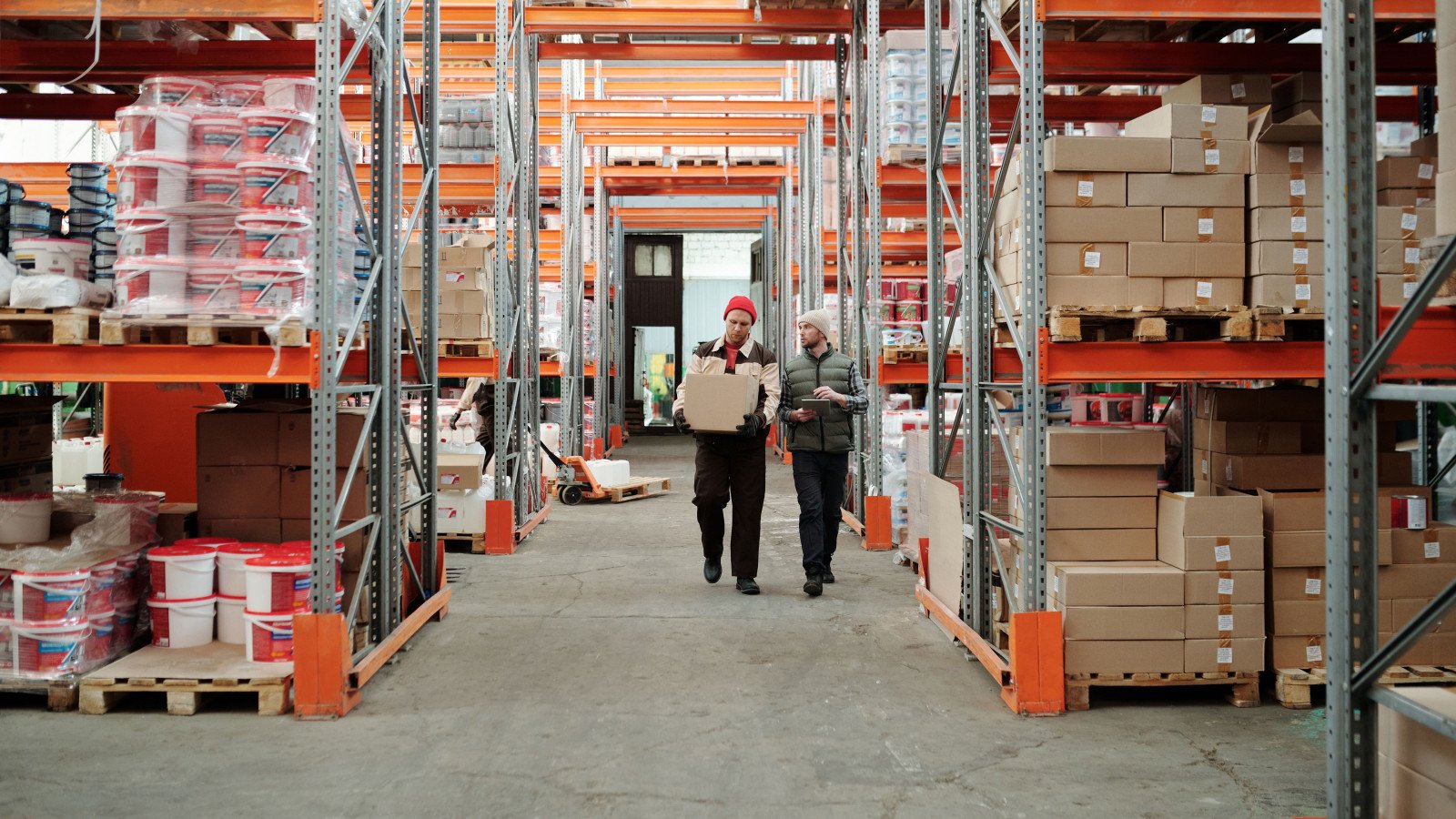
Is Warehousing Real Estate a Good Investment Near Delhi-NCR in 2026?
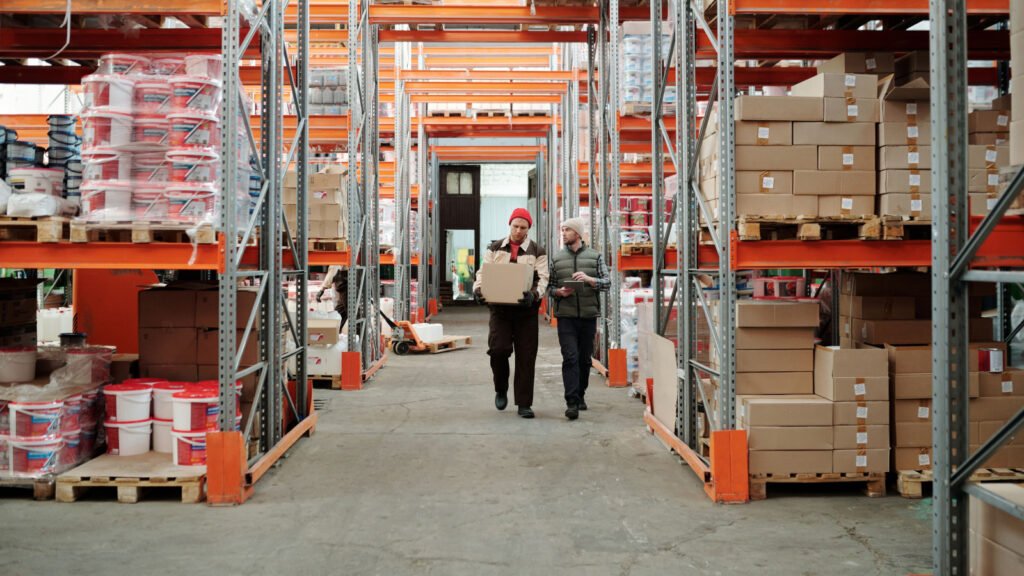
Warehousing and logistics real estate near Delhi-NCR is a genuine institutional-grade opportunity in 2026, but it is not a simple “buy and wait” trade. Delhi-NCR’s organised logistics stock stood at 119.2 million square feet as of H1 2026, with vacancy at 13.5% and Grade-A rents of roughly ₹18–25 per sq ft per month in Gurugram, according to Cushman & Wakefield and Savills data published in August 2026. Demand is real and rising — but Grade-B oversupply, land-use conversion risk and thin exit liquidity mean this asset class rewards informed, selective entry rather than opportunistic buying.
This guide is for business owners, family offices, and commercial-property investors evaluating warehousing and logistics real estate as an alternative or complement to office and retail assets in the National Capital Region. It is not aimed at first-time residential buyers.
Key Takeaways
- Delhi-NCR’s organised warehousing/industrial stock was 119.2 million sq ft in H1 2026, with Gurugram accounting for more than 55% of regional leasing activity (Cushman & Wakefield/Savills, August 2026).
- Grade-A rents in Gurugram ranged from roughly ₹18–25 per sq ft/month for warehousing, up to ₹45 for manufacturing-grade industrial space.
- Overall NCR warehousing vacancy was around 20% in Q1 2026 (JLL), narrowing to 13.5% by H1 2026 on the Cushman & Wakefield/Savills measure — the two differ in methodology, but both show Grade-A space tightening faster than Grade-B.
- 3PL operators, e-commerce, engineering and FMCG are the principal demand drivers; Grade-B speculative supply carries meaningfully higher vacancy risk than Grade-A.
- Direct ownership of industrial/warehousing land involves zoning, FAR, and change-of-land-use verification that differs materially from residential or office due diligence.
Delhi-NCR’s Warehousing Market in 2026: What the Data Actually Shows
Two independent datasets give a consistent direction, even though their absolute numbers differ because of different measurement methods.
Cushman & Wakefield recorded Delhi-NCR gross logistics and industrial leasing of 8.7 million sq ft in H1 2026, up 69% year-on-year, with 8.5 million sq ft of new completions and operational stock of 119.2 million sq ft at 13.5% vacancy. Savills’ physical move-in measure for the same period shows 6.8 million sq ft of absorption (source: Cushman & Wakefield/Savills via GRI Institute, published 7 August 2026; accessed 15 October 2026).
An earlier Q1 2026 JLL report showed NCR-wide gross absorption of 4.47 million sq ft for the quarter, warehousing demand up more than 41% year-on-year, and overall vacancy near 20%, with Grade-B vacancy a much higher 28.5% on speculative supply (JLL APPD Market Report, published 20 May 2026; accessed 15 October 2026). The gap between the two vacancy readings is directionally consistent with Grade-A supply absorbing faster than Grade-B through the year.
| Metric (Delhi-NCR, H1 2026) | Figure | Source |
|---|---|---|
| Operational stock | 119.2 million sq ft | Cushman & Wakefield/Savills, Aug 2026 |
| Vacancy | 13.5% | Cushman & Wakefield/Savills, Aug 2026 |
| Gross leasing (H1) | 8.7 million sq ft (+69% YoY) | Cushman & Wakefield, Aug 2026 |
| Gurugram share of regional activity | >55% | Cushman & Wakefield/Savills, Aug 2026 |
| Grade-A warehousing rent, Gurugram | ₹18–25/sq ft/month | Cushman & Wakefield/Savills, Aug 2026 |
| Industrial manufacturing rent, Gurugram | Up to ₹45/sq ft/month | Cushman & Wakefield/Savills, Aug 2026 |
| 2026 full-year supply/absorption forecast | >12.0 million sq ft | Cushman & Wakefield/Savills, Aug 2026 |

Ananda Homes — Goa — Branded Development
Speak directly with Kshitiz Verma, Principal Partner, about this mandate.
Branded villa development in Goa. Ask for current inventory and pricing.
Which Corridors Matter for Logistics Real Estate Investment Near Delhi-NCR?
Demand and new supply in Q1 2026 were concentrated in three micro-markets: Delhi-NH8 (the Gurugram-facing National Highway 8 belt), followed by Faridabad-Palwal and Sonipat-Hassangarh (JLL, May 2026). Gurugram alone accounted for over 55% of H1 2026 leasing activity in the region. This is distinct from the residential and SCO-plot corridors PropIntel covers elsewhere, including SCO plots in Gurgaon and the Dwarka Expressway corridor — warehousing demand clusters around highway access, container depot proximity, and labour catchments rather than residential amenity.
Infrastructure projects cited as medium-term demand drivers for the NCR logistics belt include the Delhi-Mumbai Industrial Corridor (DMIC), the Western Dedicated Freight Corridor (WDFC) and the Eastern Dedicated Freight Corridor (EDFC). These are multi-year national infrastructure programmes; their property-price impact plays out over years, not months, and should not be treated as a guarantee of near-term rental appreciation.
Grade A vs Grade B Warehousing: Why the Distinction Matters for Investors
Grade-A warehousing — built to modern specifications with higher floor-loading, clear height, fire safety and dock access — absorbed faster and commanded the bulk of 2026 demand nationally (59% of absorption and 55% of new supply, per Cushman & Wakefield’s H1 2026 national data). Grade-B stock, often older or speculatively built without a committed anchor tenant, carried a vacancy rate of 28.5% in the NCR as of Q1 2026 (JLL) — more than double the market average. For an investor, this means the “warehousing” label alone says little about asset quality; the grade, the anchor tenant profile, and the building specification drive both occupancy and achievable rent far more than location alone.
How Can Investors Access Warehousing Real Estate in NCR?
There is no single route, and each carries a different risk and liquidity profile:
- Direct land purchase for built-to-suit (BTS) development: Highest control and complexity — requires industrial land-use approval and a committed tenant or developer partner before construction debt is viable.
- Pre-leased or income-producing warehouse purchase: Similar underwriting logic to pre-leased commercial office or retail (see PropIntel’s pre-leased commercial property due-diligence checklist) — tenant covenant and lock-in period matter more than headline yield.
- Institutional co-investment or developer partnership: Reduces ticket size but concentrates counterparty risk in the developer/operator’s track record.
- REITs and listed logistics platforms: The most liquid route, with professional management, but no direct ownership or control — see PropIntel’s comparison of REITs versus direct commercial property.
The right structure depends on ticket size, hold period, and whether the investor wants operating control or passive exposure.
Risks and Limitations of Warehousing and Logistics Investment
- Grade-B oversupply risk: Speculative Grade-B stock has vacancy nearly double the market average; buying into this segment without a tenant in hand carries real income risk.
- Land-use and zoning risk: Industrial land use, floor area ratio (FAR), and change-of-land-use (CLU) approvals vary by state authority (HSIIDC/DTCP in Haryana, relevant Noida/Greater Noida authorities in Uttar Pradesh) and must be verified before any construction commitment.
- Tenant concentration risk: A single-tenant BTS asset is only as strong as that tenant’s covenant and renewal intent.
- Exit liquidity: Warehousing land and built assets trade in a thinner secondary market than residential property; institutional buyers often set their own underwriting timelines.
- Methodology risk in market data: Different research houses (JLL, Cushman & Wakefield, Savills) report differing absolute figures for the same market because they use different stock and absorption definitions — treat any single number as directional, not exact.
- Infrastructure timeline risk: DMIC- and freight-corridor-linked appreciation stories play out over years; near-term buying decisions should not be based on multi-year infrastructure promises alone.
Due Diligence Checklist Before Buying Warehousing or Industrial Land in NCR
- Confirm the land’s current zoning and whether industrial/warehousing use is permitted as-of-right or requires a change-of-land-use order.
- Verify the title chain, mutation records, and any outstanding encumbrances through the relevant state land records portal.
- Check FAR, ground coverage, and setback norms applicable to the specific industrial zone or park.
- If buying a tenanted asset, review the lease deed, lock-in period, rent-escalation clause, and the tenant’s financials.
- Confirm access to approach roads, weighbridge and container movement clearances, and labour-law compliance obligations if operating the facility.
- Ask the developer or seller for RERA registration status where applicable, and for environmental/fire-safety NOCs already obtained.
- Have an independent engineer verify floor-loading capacity and clear height against the stated specification before signing.
When Warehousing Investment May Not Suit You
This asset class is generally unsuitable for investors who need short-term liquidity, who cannot evaluate industrial land-use and zoning risk independently, or whose ticket size is too small to access institutional-grade Grade-A assets. For investors in this position, a REIT allocation or a Grade-A office asset in Gurugram or Noida may be a more liquid starting point than direct industrial land ownership. Waiting may also be the better decision where a specific corridor’s infrastructure project (DMIC, freight corridor spurs, or a new expressway interchange) has been announced but not yet substantially constructed — early land-cost savings are sometimes offset by multi-year delivery risk.
Frequently Asked Questions
Is warehousing real estate a good investment in Delhi-NCR right now?
It can be, for investors who can access Grade-A assets with a committed tenant or a credible build-to-suit partner; the data shows Grade-A absorption outpacing Grade-B through H1 2026, but returns are not guaranteed and depend heavily on the specific asset, tenant, and corridor.
What is the difference between Grade-A and Grade-B warehousing?
Grade-A facilities meet modern specifications for floor loading, clear height, fire safety and dock access, and are typically built against institutional or anchor-tenant demand; Grade-B stock is often older or speculatively built and carried roughly 28.5% vacancy in NCR as of Q1 2026, versus about 20% for the overall market.
Can an individual investor buy warehousing real estate directly, or is this only for institutions?
Individual and family-office investors can buy pre-leased warehousing assets or industrial land, but the underwriting, zoning verification, and tenant-covenant analysis required are closer to institutional commercial real estate than to residential property purchase.
Which locations near Delhi-NCR are seeing the most warehousing demand?
Delhi-NH8 (the Gurugram-facing corridor), followed by Faridabad-Palwal and Sonipat-Hassangarh, led both demand and new supply in early 2026, with Gurugram accounting for over 55% of H1 2026 regional leasing activity.
Are REITs a better option than direct ownership for logistics real estate?
REITs offer liquidity, diversification and professional management but no direct control or asset-specific upside; direct ownership offers control and potential outperformance but concentrates risk in a single asset and tenant. PropIntel’s REIT-versus-direct-ownership guide compares this trade-off in detail.
PropIntel Perspective
The data points to a genuine, broadening logistics opportunity around Delhi-NCR, concentrated in Gurugram and the NH8, Faridabad-Palwal and Sonipat corridors. This is most likely to suit business owners and family offices with the capital and patience to underwrite Grade-A, tenant-backed assets rather than speculative Grade-B land. The principal trade-off is liquidity and complexity: industrial land-use verification, tenant covenant risk, and a thin resale market are real costs that headline rental yields do not capture. Before committing capital, an investor should independently verify zoning status, the tenant’s lease terms and financial standing, and obtain their own legal and financial advice rather than relying on broker-provided summaries. Where a corridor’s advantage rests mainly on an announced but unbuilt infrastructure project, waiting for construction progress is often the more prudent course.
Sources and Methodology
- Cushman & Wakefield and Savills, H1 2026 India logistics/industrial data, published via GRI Institute, 7 August 2026. Accessed 15 October 2026.
- JLL, APPD Market Report — Q1 2026 Logistics & Industrial, Delhi, published 20 May 2026. Accessed 15 October 2026.
Information reviewed on: 15 October 2026. Market figures such as rents, vacancy and absorption change quarterly; readers should verify current figures before transacting. Recommended review date: within 90 days (by mid-January 2027). This is market analysis for general guidance, not investment, legal or tax advice — obtain independent, transaction-specific advice before proceeding. PropIntel has not had first-hand transaction experience in every corridor referenced in this article; all data points are independently sourced and cited above.