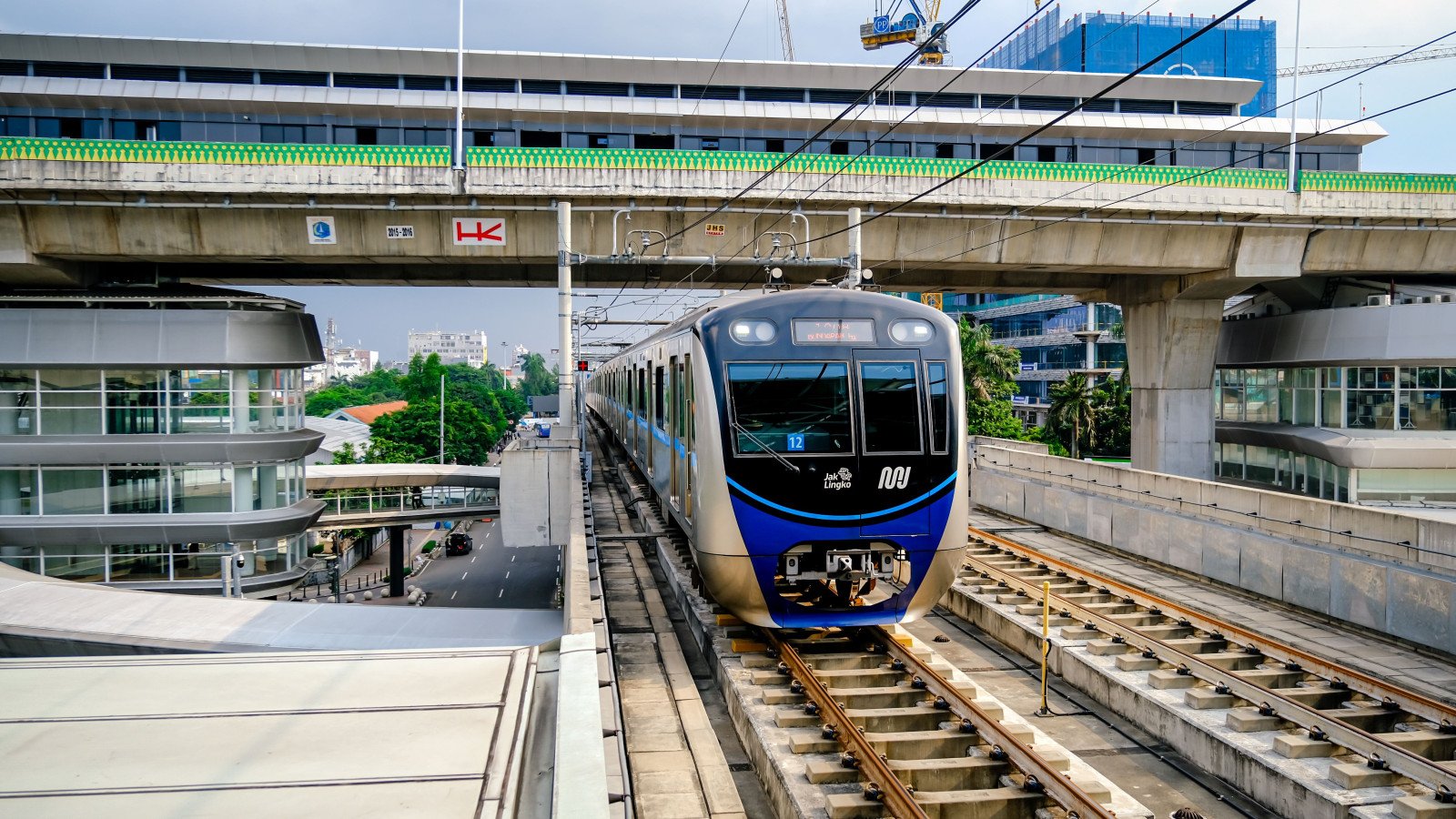
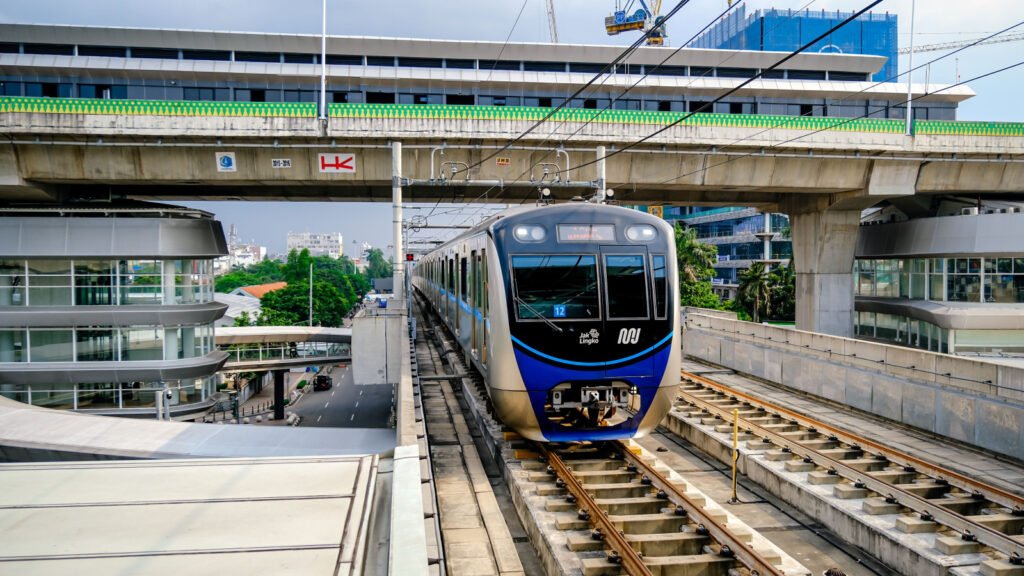
Only one Regional Rapid Transit System (RRTS) corridor is actually running in the National Capital Region today: the 82.15-km Delhi–Ghaziabad–Meerut line, fully operational since Prime Minister Narendra Modi’s inauguration of its final sections on 22 February 2026. Three more Namo Bharat corridors that would touch Gurugram, Noida, Faridabad and Panipat are still at the approval, design-report or pre-construction stage — not under construction, and in one case not even formally approved by the Union government. For a buyer deciding whether a “metro-like rail corridor” near a property is a reason to act now, the difference between “operational” and “proposed” is the single most important fact to get right.
PropIntel is a boutique real estate advisory covering Delhi-NCR, Gurugram, Noida and Goa. This article sets out, corridor by corridor, what is actually built, what is merely approved on paper, and what a buyer or investor should verify before treating any rail announcement as a reason to transact.
Key Takeaways
- Only the Delhi–Ghaziabad–Meerut RRTS corridor (82.15 km) is operational, as of February 2026.
- The Delhi–Gurugram–SNB–Alwar corridor, which runs through Gurugram, is approved by the Haryana government but is being built in phases; NCRTC’s own leadership has said the Alwar-bound section may take roughly five more years.
- A separate Gurugram–Faridabad–Noida corridor (estimated cost around ₹15,000 crore) is still at Detailed Project Report (DPR) stage, with no construction start date.
- A Delhi–Panipat/Karnal corridor has state-level approval; central sanction for the full alignment is pending.
- No independent, dated study confirms a specific price premium for NCR property near an announced-but-unbuilt RRTS station; claims of price upside are, at this stage, developer and analyst projections, not measured outcomes.
What RRTS Actually Is, and Who Builds It
RRTS (branded “Namo Bharat”) is a high-speed regional rail system distinct from Delhi Metro and from Gurugram’s Rapid Metro — three separate systems that are sometimes confused in marketing material. RRTS corridors are built and operated by the National Capital Region Transport Corporation (NCRTC), a joint venture in which the Government of India and the governments of Delhi, Haryana, Uttar Pradesh and Rajasthan hold equity. Four corridors have been identified for the NCR region; as of October 2026, only one is complete.

Residential Plot — Safdarjung Enclave
Speak directly with Kshitiz Verma, Principal Partner, about this mandate.
- Plot Size200 sq. yds
- FeaturesWide road, adjacent to park
Corridor-by-Corridor Status: What Is Built, Approved or Merely Proposed
| Corridor | Length | Status (October 2026) | Relevant to |
|---|---|---|---|
| Delhi–Ghaziabad–Meerut | 82.15 km | Fully operational since 22 Feb 2026 | Ghaziabad, Meerut-bound buyers; proof of concept for the system |
| Delhi–Gurugram–SNB–Alwar | ~107 km (Stage 1: Sarai Kale Khan–Bawal, ~92 km) | Haryana-approved (2023); being executed in three phases; Alwar section not expected for another ~5 years per NCRTC (Feb 2026) | Gurugram (Udyog Vihar, Sector 17, Manesar belt) |
| Gurugram–Faridabad–Noida | Not finalised | DPR being finalised; no construction date; est. cost ₹15,000 crore | Gurugram (NH-8, Dwarka Expressway, SPR link), Noida, Greater Noida |
| Delhi–Panipat (Karnal extension) | ~103–136 km | Haryana-approved; central approval for the full line pending as of early 2026 | Outer Delhi-NCR, Sonipat, Panipat |
Table compiled by PropIntel from NCRTC statements and contemporaneous reporting; see Sources and Methodology below. Treat all non-operational rows as subject to change.
The Only Working Example: What Changed Along Delhi–Meerut
The Delhi–Meerut corridor is the only NCR RRTS line with an actual service record. Early sections (Sahibabad–Duhai) opened progressively from October 2023, with the full 82.15-km, 25-station line completed in February 2026 and reporting over 100,000 riders on its first full day of complete operation. This matters to buyers mainly as a reference point: a corridor that moves from “approved” to “fully running” took roughly seven years from Cabinet approval (2019) to full completion (2026). That execution timeline, not marketing language about “upcoming connectivity,” is the realistic planning horizon for the other three corridors.
Delhi–Gurugram–SNB–Alwar: What It Means for Gurugram Specifically
This corridor is the one most relevant to PropIntel’s Gurugram clients, because its alignment runs through Udyog Vihar, Sector 17 and the Manesar belt before continuing to Rewari, Shahjahanpur-Neemrana-Behror (SNB) and eventually Alwar. The Haryana government approved it in May 2023, and the Centre included the Delhi–Gurugram–SNB section under the PM Gati Shakti masterplan in February 2023. Construction is planned in three stages: Sarai Kale Khan–Bawal first, then Bawal–SNB–Sotanala, with the SNB–Alwar stretch last. In February 2026, NCRTC’s Executive Director (General), responding formally to a citizen’s query, confirmed the Alwar-bound section “may take another 5 years” — a candid admission that the original 2026 target for the full line will not be met.
For a buyer evaluating Gurugram micro-markets along or near this alignment, the practical point is that the Gurugram-to-Bawal first stage is the only segment with a defined construction priority; everything beyond it remains sequential and dependent on funding and land acquisition progress that has not yet been reported as complete.
Micro-markets near the alignment
The published route references Udyog Vihar and the NH-8/Sector 17/Manesar corridor, not Golf Course Road or Golf Course Extension Road, which sit on a different part of Gurugram served by other infrastructure. Buyers should not assume every Gurugram locality benefits equally; alignment proximity has to be checked station by station.
Gurugram–Faridabad–Noida: Early-Stage, and Why That Matters
Reported in February 2026 at an estimated cost of roughly ₹15,000 crore, this proposed corridor would link Gurugram, Faridabad, Noida and Greater Noida, with its Gurugram end tying into NH-8, the Dwarka Expressway and the Southern Peripheral Road. As of this writing, the Detailed Project Report is still being finalised; no construction date, implementing authority name, or sanctioned alignment has been published. Market commentary describing Faridabad as the “biggest beneficiary” or predicting eased pricing pressure in Gurugram’s core business districts is analyst and developer opinion about a corridor that does not yet have a confirmed route — useful context, but not a verified outcome.
Delhi–Panipat/Karnal: Where It Stands
This corridor, approved by Haryana alongside the Gurugram-Alwar line in 2023, would run largely underground through Delhi and Haryana towards Panipat, with a possible Karnal extension. As of the most recent reporting available (February 2026), central-government sanction for the full alignment, including the Karnal extension, was still pending within the current financial year. No depot construction or alignment finalisation had been confirmed at that point.
Does an Announced Rail Corridor Actually Move Property Prices?
It depends on the stage. PropIntel has not found an independent, dated study quantifying a verified price premium for NCR property attributable to RRTS proximity at the proposal or DPR stage. The Delhi–Meerut corridor took about seven years from approval to full operation, and even its effect on surrounding property values has not been isolated from broader NCR price movements in any public dataset PropIntel has reviewed. Projections about Faridabad, Gurugram or Noida benefiting from unbuilt corridors are, at this point, developer and market-commentary opinion, not measured transaction data. Buyers who see “RRTS-linked” marketing in a brochure should ask for the specific government notification confirming that corridor’s current stage.
Buyer and Investor Checklist Before Factoring a Rail Corridor Into a Decision
- Confirm the corridor’s actual legal status directly from NCRTC or the relevant state government release — “approved,” “DPR stage” and “under construction” are not interchangeable.
- Check whether the specific project or micro-market lies on the published alignment, not merely in the same district.
- Ask for the land-acquisition progress percentage for the relevant stage; stalled acquisition is the most common cause of multi-year delay in Indian rail infrastructure.
- Treat any developer claim of a specific future price increase tied to RRTS as a sales projection, not a fact, and ask for its source.
- Separate RRTS from Delhi Metro, Gurugram’s Rapid Metro and Namo Bharat branding in due diligence — these are different systems with different timelines.
- Revisit the decision against NCRTC’s published progress reports every 6–12 months rather than relying on a single point-in-time announcement.
Who This Information Suits — and Who Should Wait
This is most useful to long-horizon end users and investors evaluating Gurugram, Noida or Faridabad-adjacent property who want genuine infrastructure risk assessment rather than brochure language. It is less useful for a buyer being asked to pay a premium today specifically because of a corridor still at DPR stage with no confirmed construction date. There, waiting for the next official progress update is often the more defensible position.
Frequently Asked Questions
Is the Delhi–Meerut RRTS corridor fully operational?
Yes. The full 82.15-km, 25-station corridor became fully operational on 22 February 2026, following the Prime Minister’s inauguration of its final sections.
Does the Gurugram-Alwar RRTS corridor run through Gurugram city?
Yes, the published alignment includes Udyog Vihar, Sector 17 and the Manesar belt, though the full Gurugram-to-Alwar line is being built in three sequential stages, and only the Delhi-to-Bawal stage currently has a defined construction priority.
When will the Gurugram-Faridabad-Noida RRTS corridor be built?
No construction date has been published. As of the most recent reporting, the Detailed Project Report was still being finalised, with no sanctioned route or start date.
Should I pay a premium for a property because it is near a “proposed” RRTS station?
PropIntel’s view is that a proposed-stage corridor carries meaningful execution risk, as shown by the roughly seven-year gap between approval and completion on the only operational NCR corridor. A premium paid today for an unbuilt corridor should be treated as speculative, not a verified return.
Is RRTS the same as Delhi Metro or Gurugram’s Rapid Metro?
No. RRTS (Namo Bharat) is a separate high-speed regional rail system built by NCRTC, distinct from Delhi Metro and from Gurugram’s Rapid Metro, which are different networks under different operators.
PropIntel Perspective
Rail-corridor announcements are genuinely useful signals of where state and central governments intend to direct long-term infrastructure spending, and PropIntel tracks every NCRTC and state-government update for exactly this reason. But the gap between an approved alignment and a running train has, on the only completed NCR example, run to roughly seven years, with further delay confirmed by NCRTC itself for the Alwar-bound section. Buyers evaluating Gurugram, Noida or Faridabad-adjacent property on the strength of RRTS alone should separate the infrastructure case from the pricing case: the first is reasonably well evidenced; the second, at proposal or DPR stage, generally is not. This suits patient, long-horizon buyers more than those seeking a near-term outcome, and it is worth revisiting the specific corridor’s status every few months before any purchase decision that depends on it.
Sources and Methodology
Information reviewed on: 21 October 2026. Verified against NCRTC statements as reported by Railway Gazette (26 Feb 2026), the sourced Delhi–Ghaziabad–Meerut RRTS record, India Infra Hub’s report on Haryana’s 2023 approval of the Delhi-SNB-Alwar and Delhi-Panipat corridors, NCRTC’s Executive Director (General) quoted by Patrika (20 Feb 2026), and Outlook Money’s Gurugram-Faridabad-Noida corridor report (18 Feb 2026). Status facts are distinguished from developer/market-commentary projections throughout. Recommended review: within 90 days, or sooner on any new DPR or Cabinet approval.
Author: PropIntel Research Desk, in consultation with PropIntel’s Gurugram and Delhi-NCR advisory team. Reviewed for regulatory accuracy by PropIntel’s due-diligence lead. Published 21 October 2026; last reviewed 21 October 2026. This article is general information, not investment, legal or tax advice. Readers should obtain project-specific and transaction-specific legal and financial advice, and verify current corridor status directly with NCRTC, before making a purchase decision connected to any infrastructure project named here.
Related PropIntel Reading
- Gurugram Real Estate Market 2026: HRERA H1 Data & What It Means
- SPR Elevated Corridor Gurugram: What the October 2026 Approvals Mean for Buyers
- Noida International Airport Is Operational: What It Actually Means for Property Prices
- New Noida (DNGIR) in 2026: What’s Actually Approved, and What Buyers Should Verify
- Dwarka Expressway Property Prices in 2026: What the Data Actually Shows
For an independent, advisory-led view of how infrastructure timelines should factor into a specific Gurugram, Noida or NCR purchase decision, speak with PropIntel’s advisory team.